Pumpkins Aren't Just for Decoration: Making the Most of Autumn's Harvest
23 October, 2026Pumpkins Aren't Just for Decoration: Making the Most of Autumn's Harvest
There is something rather lovely about the arrival of pumpkins and squash in autumn. From the vivid orange of Uchiki Kuri to the beautiful blue-grey skin of Crown Prince and the deep green of Delica, they come in a wonderful assortment of shapes, colours and sizes.
Arranged on a doorstep, gathered along a mantelpiece or piled into a bowl on the kitchen table, they bring a little of the autumn harvest indoors.
But there is one thing we think pumpkins deserve rather more credit for: being delicious.
A frightening amount of food waste
Every Halloween, millions of pumpkins are bought in Britain, admired for a week or two and then discarded.
Research by environmental charity Hubbub found that approximately 12.2 million pumpkins went uneaten following Halloween in 2023. That's an extraordinary amount of perfectly good food, particularly when pumpkins and winter squash are such wonderfully versatile ingredients.
Our suggestion? Choose your autumn decorations with dinner in mind.
Choose a pumpkin worth eating
Not all pumpkins are created equal. The enormous orange varieties traditionally grown for carving are perfectly edible, but tend to have watery, fibrous flesh and a fairly mild flavour.
Smaller culinary pumpkins and winter squash often offer much more in the way of flavour. Their dense, sweet flesh becomes wonderfully rich when roasted, with a natural sweetness that makes them particularly good companions for cheese.
Look out for varieties such as:
-
Crown Prince: With its beautiful blue-grey skin and deep orange flesh, this is one of the loveliest squashes for decorating. Its dense, sweet flesh is excellent roasted or turned into soup.
-
Onion Squash (Uchiki Kuri): Small, vivid orange and pleasingly shaped, with a sweet, chestnut-like flavour. Its skin also softens when cooked.
-
Delica or Kabocha Squash: Dark green and rather handsome, with rich, sweet flesh that's particularly good for roasting.
-
Small Culinary Pumpkins: Often sold specifically for cooking, these offer the familiar orange appearance of Halloween pumpkins with rather better flavour.
Choose whole pumpkins and squash with firm, unblemished skins and keep them somewhere cool, dry and well ventilated until you're ready to cook. There's no need to carve them to make an attractive display, and leaving them intact helps preserve their freshness.
One important distinction: decorative gourds sold purely as ornaments are not necessarily edible. Choose varieties clearly sold for eating, and avoid paints, glue or other decorations that might contaminate the flesh.
If you prefer traditional pumpkin carving, you can still save the freshly scooped-out flesh and seeds for cooking. Just don't plan on eating a carved lantern that's been sitting outside for several days.
Three delicious ways to enjoy your pumpkin
We may be a little biased, but we think pumpkin is at its best with cheese.
Its natural sweetness provides a wonderful contrast to the savoury, nutty flavours of aged hard cheeses, while soft goat's cheese brings a delicate acidity that cuts through its richness.
Here are three of our favourite ways to bring the two together this autumn.
Roasted Pumpkin Soup with Sinodun Hill, Crispy Sage and Toasted Pumpkin Seeds
A bowl of golden pumpkin soup is a wonderful thing on a chilly afternoon. Roasting the pumpkin first brings out its sweetness, while a generous spoonful of soft, mousse-like goat's cheese adds a gentle citrusy contrast.
Finished with crispy sage and toasted pumpkin seeds, it's a lovely way to make use of almost every edible part of your pumpkin.
Read our Roasted Pumpkin Soup recipe.
Squash, Gruyère Premier Cru, Sage and Chilli Tart
Buttery pastry, sweet roasted squash, fragrant sage and generous handfuls of finely grated Gruyère. A little fresh chilli adds warmth and cuts through the richness.
Our Gruyère Premier Cru has the depth and complexity of a mature Alpine cheese, with a fruity, floral character that works beautifully against the sweetness of the squash.
Read our Squash and Gruyère Premier Cru Tart recipe.
Pumpkin Risotto with Old Groendal and Toasted Pine Nuts
Pumpkin and risotto are natural companions. As the rice cooks, the pumpkin softens into a rich, golden sauce, while pieces of roasted squash provide a little sweetness and texture.
We like to finish ours with a mature, crystalline Gouda-style cheese. Our choice is Old Groendal, whose deep caramel and butterscotch notes make a wonderful partner for autumn squash. Toasted pine nuts add a final little crunch.
Read our Pumpkin and Old Groendal Risotto recipe.
Making a little go further
Even after cooking, there's no need to let the rest of your pumpkin go to waste.
Pumpkin seeds can be rinsed, dried and roasted with a little salt for a delicious snack, or used to finish soups and salads. Any leftover cooked flesh can be puréed and frozen, ready for another day's soup, risotto or pasta sauce.
And once a pumpkin has reached the end of its useful life, the compost heap or food waste caddy can take care of what's left.
There's a particular pleasure in choosing a beautiful squash for your autumn display, then finding a good use for it in the kitchen a little later. A Crown Prince or Uchiki Kuri can brighten a windowsill before finding its way into the roasting tin. It's one of the nicer pleasures of seasonal cooking: enjoying the same ingredient twice.
And, as you might expect from us, the second time usually involves cheese.
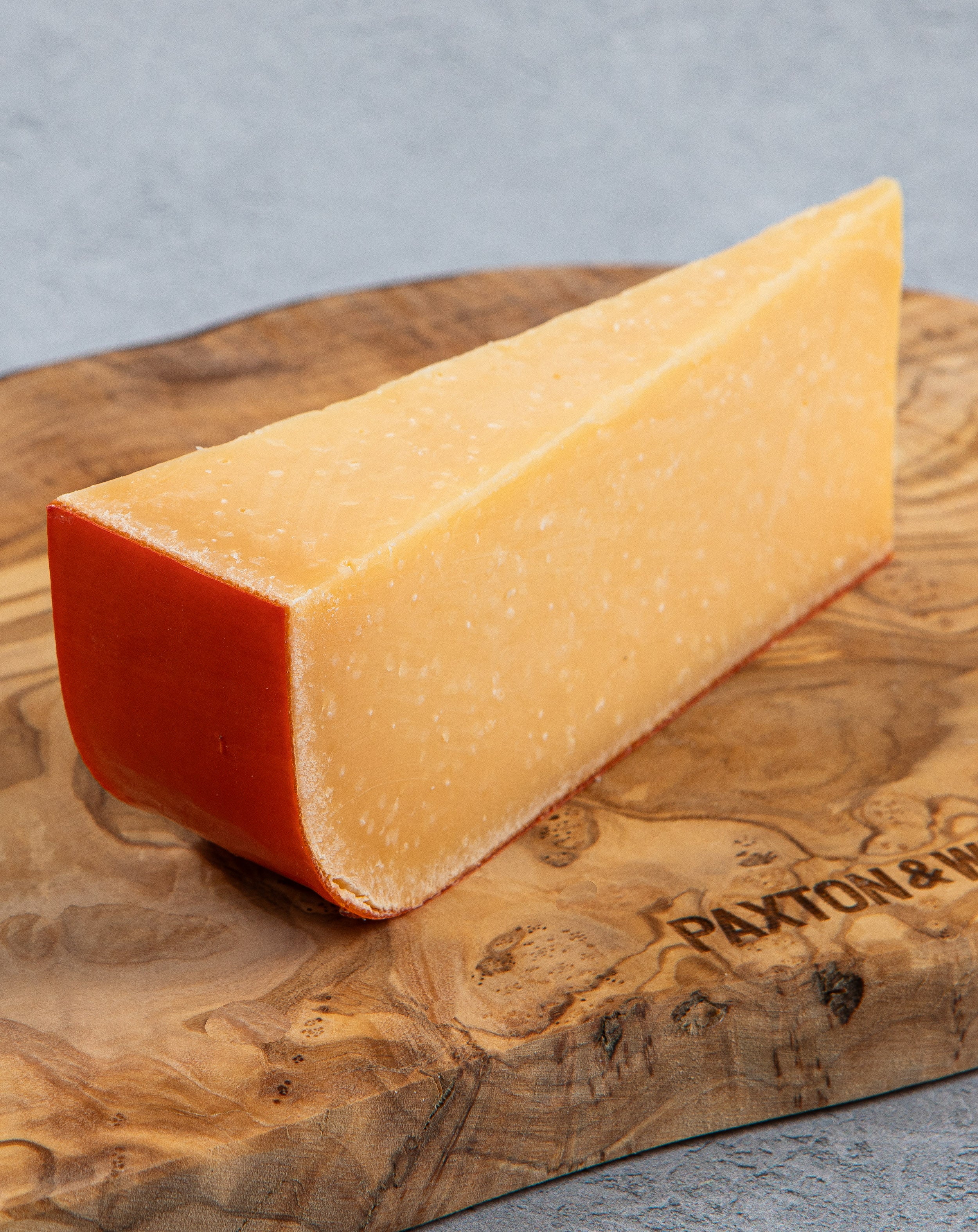
Old Groendal
Taste this remarkable Gouda-style cheese If you have missed your travels this year, this beautifu...

Gruyere Premier Cru
3-time Gold World Cheese Award Winning Gruyere Aged for a minimum of 12 months, this Swiss Gruyer...


Sinodun Hill
Sinodun Hill is a soft goat's milk cheese with a subtle 'farminess', citric tones and a pleasant ...
Stay updated
Subscribe to our blog for the latest cheese news, recipes, and tasting notes.